
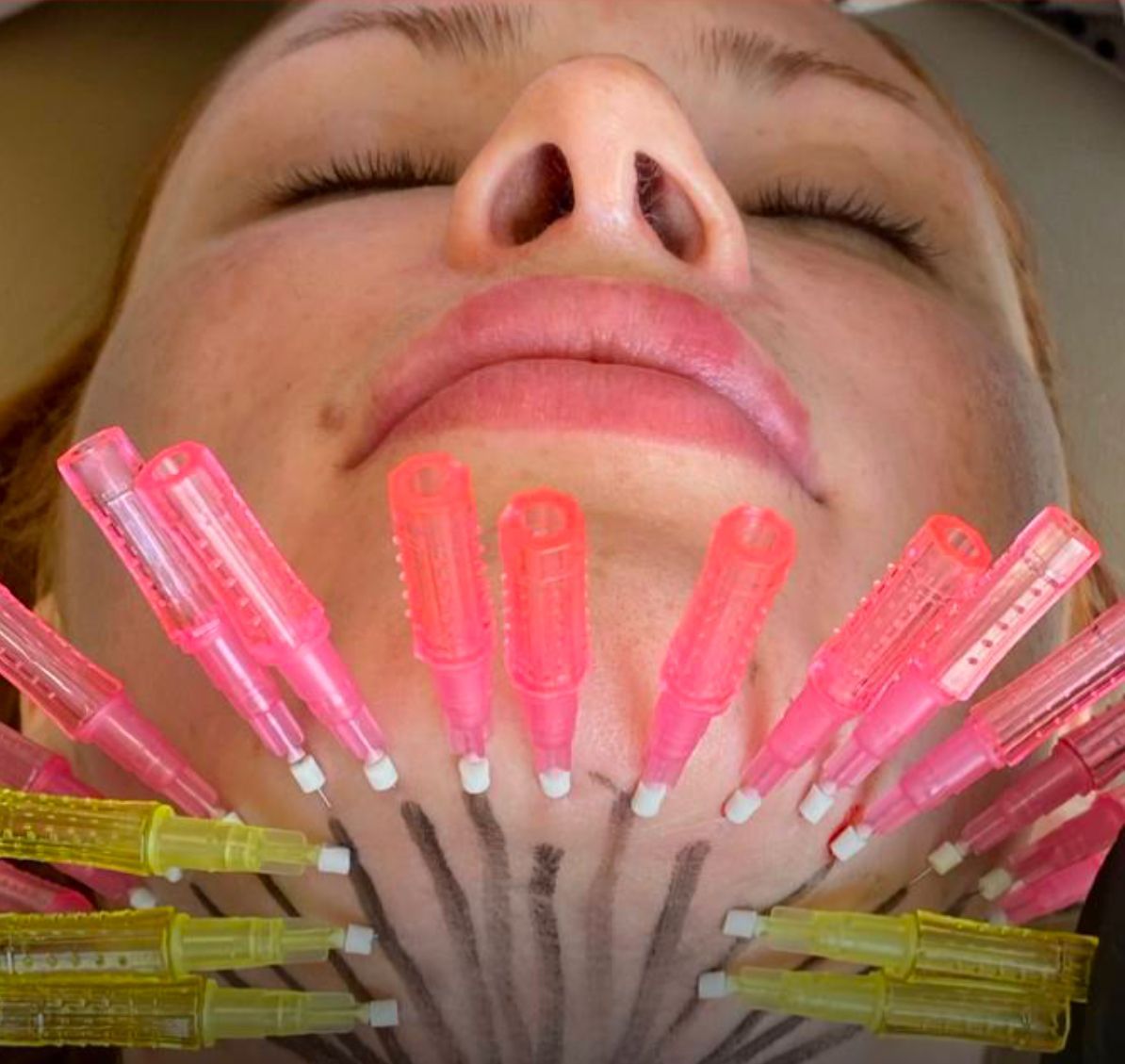
Learn how PDO threads improve skin health without hindering future plastic surgery. Consult Hula Castellon, NP for expert advice.
Patients in Redondo Beach come in with all kinds of light-based skin treatment questions. What is the difference between IPL and laser? Is one better than the other? Can they be combined? The confusion is understandable because both IPL and laser resurfacing use light energy to improve the skin, but they work through entirely different mechanisms and are best suited for different problems. At Uplifted Aesthetics, we offer both IPL Photofacial and Erbium Resurfacing Laser treatments . Understanding what each does will help you walk into your consultation already knowing which direction your skin likely needs. How IPL Works IPL stands for Intense Pulsed Light. Unlike a laser, which emits a single, concentrated wavelength of light, IPL emits a broad spectrum of wavelengths in a single pulse. This is why IPL is sometimes called a photofacial rather than a laser treatment, the distinction is technical but meaningful. Because IPL delivers multiple wavelengths simultaneously, it can target multiple chromophores, which are light-absorbing structures in the skin, at once. Melanin, which is the pigment in brown spots and sun damage, and oxyhemoglobin, which is the pigment in red blood vessels and redness, both absorb IPL energy. The light is converted to heat, which breaks down the pigmented cells or damages the vessel walls, triggering the body's natural clearance process. The result is a progressive fading of brown spots, sunspots, redness, and visible capillaries over a series of treatments. IPL is particularly well suited for patients with diffuse redness often associated with rosacea, uneven tone, sun damage across the face, and overall skin dullness caused by surface-level pigmentation changes. How Erbium Laser Resurfacing Works Erbium laser is a specific type of ablative laser that targets water in skin cells. When the Erbium beam contacts the skin, it is absorbed by the water inside cells, causing precise vaporization of the outer layers of skin. This controlled removal of damaged skin cells prompts a wound healing response, stimulating new collagen production and revealing fresher, smoother skin beneath. At Uplifted Aesthetics, we use the Erbium laser to treat fine lines and wrinkles, acne scars, skin texture irregularities, and deeper pigmentation that does not respond well to IPL. The results can be more dramatic than IPL because the treatment is reaching into the deeper layers of the skin, physically resurfacing them rather than targeting only surface pigmentation. The tradeoff is recovery. After Erbium resurfacing, most patients experience redness, peeling, and sensitivity for approximately five to seven days. The skin is essentially healing from a controlled surface injury. For many patients, this short recovery period is a completely acceptable tradeoff for the results achieved. Side-by-Side Comparison IPL is best suited for sun damage and brown spots, diffuse facial redness and rosacea, visible capillaries and broken blood vessels, overall skin tone improvement, and patients who want no downtime. Erbium laser resurfacing is best suited for fine lines and surface wrinkles, acne scars and textural irregularities, thicker or more stubborn pigmentation, skin with reduced elasticity, and patients willing to accept five to seven days of visible healing for more significant results. Both treatments require sun avoidance before and after treatment. Patients in the South Bay should plan to avoid prolonged sun exposure in the two to four weeks before and after either treatment. Skin Tone Considerations This is an important factor in determining which treatment is appropriate. IPL works best on lighter skin tones because the device needs a contrast between the target and the surrounding skin. On darker skin tones, IPL carries a higher risk of unintended pigmentation changes because the device may absorb light in areas beyond the intended target. Erbium laser resurfacing can be calibrated for a wider range of skin tones when used by an experienced provider, though patients with medium to deeper tones are assessed carefully to ensure the settings are appropriate for their skin. At Uplifted Aesthetics, every patient receives a thorough skin assessment before any laser or light-based treatment to ensure the device, settings, and treatment protocol are safe and appropriate for their specific skin type and concern. Can They Be Combined? Yes, and at Uplifted Aesthetics we do exactly this in certain cases. The sandwich treatment we offer pairs Erbium resurfacing with our Pixel8 RF microneedling system, but IPL can also be incorporated into a multi-modality plan. Some patients begin with a series of IPL treatments to address surface pigmentation and redness, then progress to Erbium resurfacing to address texture and deeper skin quality, spacing them appropriately to allow for healing between sessions. A planned, sequential approach to laser and light treatments often delivers more comprehensive results than any single modality alone, and it allows us to customize the intensity of each session based on how your skin is responding. What Happens to Your Skin in the Days After Each Treatment Understanding the recovery process for each treatment helps patients plan realistically and also helps them recognize that what they are seeing is normal and expected. After IPL, most patients experience mild redness for several hours following treatment, similar to a light sunburn. Brown spots often darken before they flake off over the following one to two weeks, which is a normal and expected part of the process. The spots are essentially being brought to the surface and then shed. Patients sometimes call this the coffee ground effect and it can be alarming if you are not expecting it. It is actually a sign the treatment is working. After Erbium resurfacing, the skin goes through a more involved healing process. The first two days typically involve redness and a raw, tight feeling as the surface heals. By days three through five, peeling begins and the new skin underneath is revealed. By day seven to ten, most patients are presentable with minimal redness and look significantly refreshed. The final result continues to improve over the following weeks as new collagen matures. Knowing what to expect at each stage makes the process far less stressful and helps patients follow their aftercare instructions correctly, which directly impacts their final results. Which One Should You Start With A good general starting point is to identify your primary concern. If you look in the mirror and the first thing you see is brown spots, redness, or sun damage, IPL is likely your starting point. If the first thing you notice is texture, fine lines, or scarring, Erbium resurfacing is likely the stronger initial choice. If you see both, a consultation will help us build a treatment sequence that addresses your concerns in the right order. At Uplifted Aesthetics, we will never recommend a treatment that does not clearly match your goals. Our consultations are thorough, educational, and never pressured. We want you to understand exactly what you are receiving and why before you commit to anything. To schedule a laser assessment with Hula Castellon, NP, at our Redondo Beach clinic , call (310) 504-0830 or book your appointment online at uplifted-aesthetics.com .
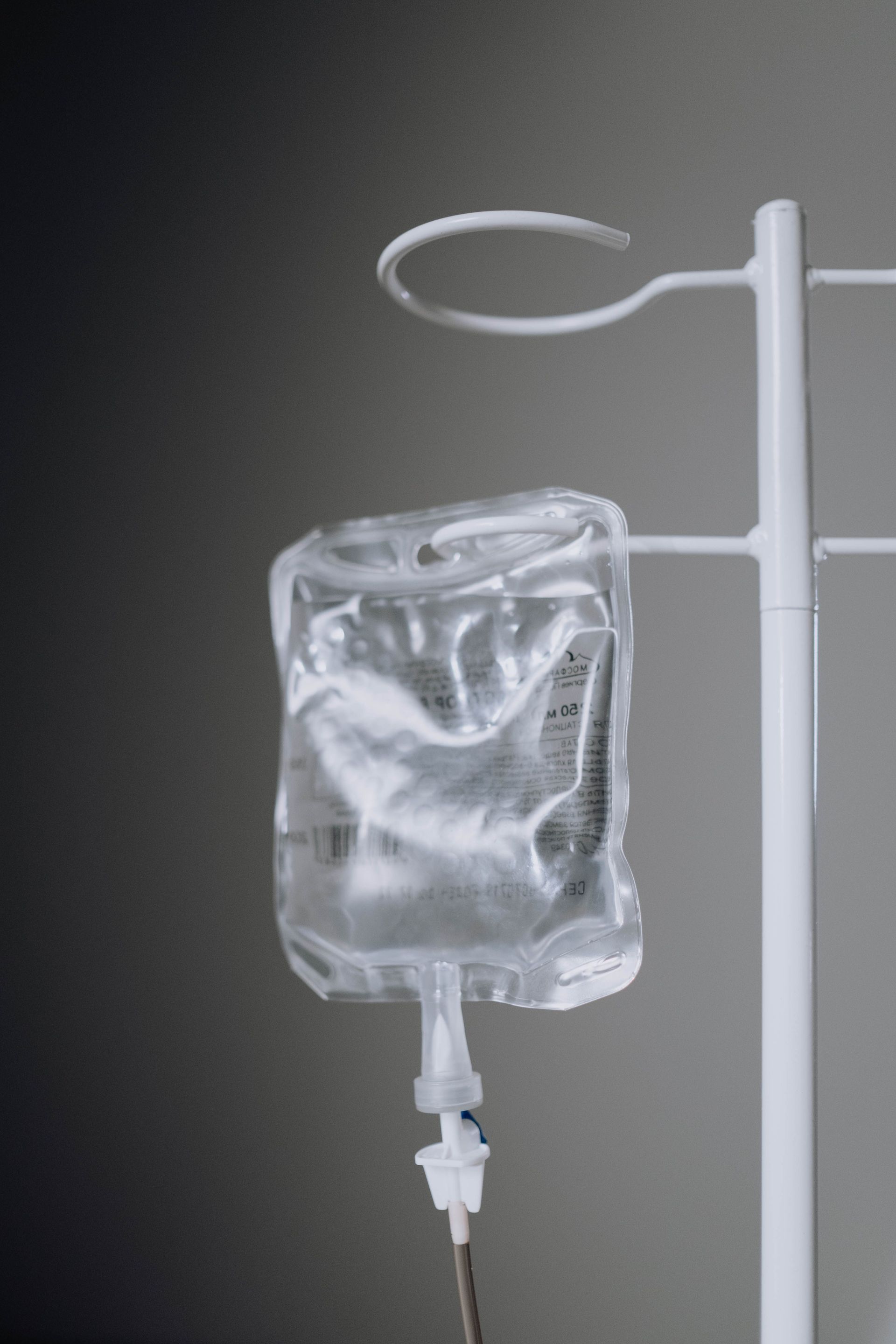
IV therapy has moved well beyond the hospital setting. What was once reserved for patients in acute medical situations is now one of the most requested wellness treatments at medically supervised clinics across the country, and for good reason. When nutrients are delivered intravenously, the body absorbs virtually all of them immediately. When those same nutrients are taken orally, digestion, gut health, and various metabolic factors can reduce what actually reaches your cells to as low as 20 to 50 percent. For patients in Redondo Beach who are serious about their health, their skin, and their recovery, that difference in bioavailability is significant. Here is a clear breakdown of what IV therapy actually involves, what goes into the most common formulations, and who benefits most. The Core of Every IV Drip: Saline or Lactated Ringer's Every IV drip starts with a base fluid, typically normal saline or lactated Ringer's solution. This base serves two purposes. It acts as the delivery vehicle for the vitamins and minerals added to the bag, and it provides direct hydration to the bloodstream. Even before any nutrients are added, this foundational hydration has a real effect. Many patients in an active coastal lifestyle, especially those who exercise regularly, spend time in the sun, or consume alcohol socially, are operating in a state of mild chronic dehydration that oral water intake alone may not fully correct. Direct IV hydration bypasses the gut entirely and goes straight into circulation. B Vitamins: Energy and Cellular Function B vitamins are among the most common additions to IV formulations, and the most misunderstood. They do not give you energy in the way caffeine does. They support the biochemical processes your cells use to produce energy on their own. Without adequate B vitamins, your mitochondria, the energy-producing structures inside your cells, cannot function optimally. The B vitamins most often included in IV therapy are B1, B2, B3, B5, B6, and B12. B12 in particular is a nutrient that many adults are deficient in, especially those who follow plant-based diets, take certain medications like metformin, or have gut absorption issues. An IV dose bypasses all of those absorption barriers entirely. Vitamin C: Antioxidant and Collagen Support High-dose intravenous Vitamin C is one of the most evidence-supported elements in aesthetic IV therapy. Vitamin C is a critical cofactor in collagen synthesis, meaning your body literally cannot produce new collagen without it. It is also one of the body's most important antioxidants, neutralizing free radicals generated by UV exposure, pollution, and metabolic stress. The doses achievable via IV are substantially higher than what is tolerable orally, since oral Vitamin C causes gastrointestinal distress at high amounts. Intravenously, much higher doses can be delivered comfortably, making this a genuinely meaningful tool for patients focused on skin quality, post-treatment healing, and immune resilience. Glutathione: The Master Antioxidant Glutathione is produced naturally by the body and is referred to in medical literature as the master antioxidant because of its central role in cellular protection and detoxification. Levels decline with age, stress, alcohol consumption, and certain chronic health conditions. In IV therapy, glutathione is often added as a push at the end of the drip, meaning it is delivered in a concentrated bolus rather than diluted in the bag. Patients often report improvements in skin brightness and clarity with regular glutathione supplementation, which is consistent with its role in reducing oxidative damage in skin cells. Magnesium: Recovery, Sleep, and Muscle Function Magnesium is involved in over 300 enzymatic reactions in the human body, yet a significant portion of the population is deficient. Athletes and highly active individuals lose magnesium through sweat, making replenishment especially relevant for the South Bay lifestyle. IV magnesium can support muscle relaxation, reduce cramping, improve sleep quality, and help with stress regulation. Zinc and Other Trace Minerals Zinc plays an important role in immune function, skin healing, and testosterone regulation. It is commonly included in immune-support formulations and in drips designed for post-illness recovery or skin repair. Other trace minerals such as selenium and manganese may also be included depending on the specific formulation. Who Benefits Most from IV Therapy IV therapy is not a replacement for a healthy diet, consistent sleep, or regular exercise. It is a supplement to those foundations for patients who want to optimize their health or address specific gaps. Patients who tend to see the most benefit are those recovering from illness or surgery, those who travel frequently and deal with jet lag or immune challenges, highly active athletes or fitness-focused individuals, patients preparing for or recovering from aesthetic procedures, and those who notice chronic fatigue, dull skin, or frequent illness despite generally healthy habits. How IV Therapy Supports Aesthetic Results This is a connection that often surprises patients. The nutrients delivered in an IV drip are not just wellness support in a general sense. Several of them directly influence how well your skin responds to and recovers from aesthetic treatments. Vitamin C, as mentioned, is essential for collagen synthesis. If a patient is deficient in Vitamin C going into a PDO thread treatment, Sculptra injection, or microneedling session, their body's collagen production response will be diminished. Zinc is critical for tissue repair and wound healing. B vitamins support cellular turnover, which is the process that drives skin renewal after resurfacing treatments. At Uplifted Aesthetics, we sometimes recommend IV therapy in the days before or after a more intensive procedure specifically because of how it supports the skin's recovery and rebuilding process. For patients who are investing in treatments designed to stimulate collagen or resurface the skin, making sure the body has the raw materials to respond fully is simply good clinical practice. What to Expect at Uplifted Aesthetics An IV therapy session at Uplifted Aesthetics typically takes between 30 and 60 minutes depending on the formulation. A small IV catheter is placed in the arm and the drip runs at a comfortable rate. Most patients relax, read, or work on their phone during the session. The environment is calm, clean, and medically supervised. Before your first session, a brief health intake is completed to ensure the formulation is appropriate for you and to screen for any contraindications. Safety and clinical integrity are the foundation of everything we do at Uplifted Aesthetics. If you are ready to explore how IV therapy can support your wellness goals, call us at (310) 504-0830 or visit uplifted-aesthetics.com to book a consultation or schedule your first session.
Hooded eyes and drooping upper eyelids are among the most common concerns patients bring to Uplifted Aesthetics, and they are also among the most misunderstood. For years, the only credible solution was surgical blepharoplasty, a procedure to remove excess upper eyelid skin. While surgery remains a valid option for certain patients, it is no longer the only one. Non-surgical approaches have advanced significantly and can produce real, visible results for the right candidate. Here is an honest breakdown of what non-surgical eyelid lifting can and cannot do, and what options are available to patients in Redondo Beach. Understanding Why Eyelids Hood and Droop Before discussing solutions, it helps to understand the different reasons eyelids can appear heavy, hooded, or drooping, because the cause largely determines the best approach. The first cause is excess skin. As we age, the upper eyelid skin loses elasticity and begins to fold over the natural crease, sometimes covering part of the lash line. This is true ptosis caused by tissue laxity, and it is the type most often addressed with surgical blepharoplasty. The second cause is a descent of the brow. When the eyebrow drops below its natural position, it pushes the upper eyelid skin downward and creates the appearance of heaviness even if the eyelid skin itself has not significantly changed. This is called pseudoptosis, meaning it looks like an eyelid issue but originates higher up. The third cause is weakening of the levator muscle, which is the muscle responsible for lifting the upper eyelid. This can happen with age, after LASIK surgery, as a side effect of Botox placed too close to the muscle, or as a medical condition. Knowing which type you are dealing with is the foundation of a good treatment plan. At Uplifted Aesthetics, every eyelid assessment begins with understanding the anatomy specific to your face. Option One: Upneeq Prescription Eye Drops Upneeq is an FDA-approved prescription eye drop containing oxymetazoline hydrochloride 0.1%. It is the only FDA-approved topical treatment for acquired ptosis, which is drooping caused by a weakened levator muscle. Applied once daily to the upper eyelid, Upneeq activates a muscle called Muller's muscle that assists in lifting the lid. Clinical studies show that Upneeq can lift the upper eyelid by approximately 1 to 2 millimeters on average, which is a significant visible change in the eye area. The effect is temporary, lasting for most of the day after application, meaning it is a daily treatment rather than a one-time correction. Upneeq is a strong option for patients with mild to moderate drooping caused by true muscle weakness. It is especially useful for patients who want a non-invasive option with no procedure or downtime, or as a complement to other treatments for a combined effect. Option Two: Brow Lifting with PDO Threads For patients whose upper eyelid heaviness is primarily caused by brow descent, lifting the brow is the correct intervention, not treating the eyelid itself. PDO threads placed along the brow can provide a physical lift that repositions the brow back toward its natural, more youthful position, which in turn opens up the upper eyelid and restores a more alert appearance. This is one of the most effective non-surgical approaches available for the right candidate. At Uplifted Aesthetics, Hula Castellon is a national trainer for PDO Max threads, meaning our approach to brow lifting with threads is among the most advanced available in the South Bay. Threads are placed strategically to anchor and lift the lateral brow in particular, which has the most noticeable effect on eye opening. Results develop over several weeks as the threads stimulate collagen and settle into their final position. Most patients see results lasting 12 to 18 months depending on skin quality and lifestyle. Option Three: Strategic Botox Placement Botox can be used to perform what is sometimes called a chemical brow lift. By relaxing specific muscles around the brow that pull downward, the elevator muscles of the forehead are given less opposition, which allows the brow to sit slightly higher. This technique requires a deep understanding of facial muscle anatomy. When placed incorrectly, Botox in this area can actually worsen brow drooping or create an unnatural shape. In skilled hands, however, it can meaningfully open the eyes and lift the lateral brow by a few millimeters, providing a refreshed and awake appearance. At Uplifted Aesthetics, this technique is customized based on each patient's muscle strength and existing brow position. It is often combined with threads for patients who want the most comprehensive non-surgical result. What Non-Surgical Cannot Do Honesty matters here. If you have significant excess skin on the upper eyelid that physically rests on or beyond the lash line, the non-surgical options available will improve but not fully resolve the appearance. Surgery removes tissue; injectables and threads cannot. Threads can lift, but they cannot create the clean, precise eyelid fold that surgical blepharoplasty achieves. At Uplifted Aesthetics, we will always give you a realistic picture during your consultation. If you are a candidate who would genuinely benefit more from surgery, we will tell you that and help you understand your options. Our goal is your result, not the treatment. The Ideal Non-Surgical Eyelid Lift Candidate The best candidates for a non-surgical eyelid lift at Uplifted Aesthetics are patients with mild to moderate hooding or drooping, brow descent as a primary contributing factor, early skin laxity without heavy excess tissue, and a preference for no downtime or a gradual approach before committing to surgery. Combining Upneeq daily drops with a PDO thread brow lift can provide a genuinely meaningful transformation for these patients, often delivering results that look entirely natural and require no recovery whatsoever. What to Expect at Your Consultation and First Treatment The consultation for a non-surgical eyelid concern is one of the more detailed assessments we perform at Uplifted Aesthetics. Hula will evaluate your brow position, the quality and quantity of upper eyelid skin, your muscle strength, and your natural facial expressions. This information determines which of the available approaches, or which combination of approaches, is most appropriate for your anatomy. If PDO threads are part of the plan, the treatment itself can take approximately 20 to 30 minutes. There is typically mild swelling or bruising in the brow area for several days, and most patients look fully settled within one to two weeks. If Upneeq is added, it is prescribed at the same visit and can be started immediately. Most patients leave their first treatment feeling that the result is subtle, and that is intentional. Threads continue working for weeks after placement as collagen forms around them. The final result at the three-month mark is consistently more significant than what is visible in the first two weeks. Patience here is genuinely rewarded. Ready to Find Out What Your Eyes Need If you have been frustrated by the heavy, tired appearance of your upper eyelids and want to explore what is possible without surgery, we invite you to schedule a consultation at Uplifted Aesthetics in Redondo Beach . We will assess your anatomy, explain what is causing what you are seeing, and build a plan that gives you the best possible result for your unique situation. Call (310) 504-0830 or book online at uplifted-aesthetics.com .
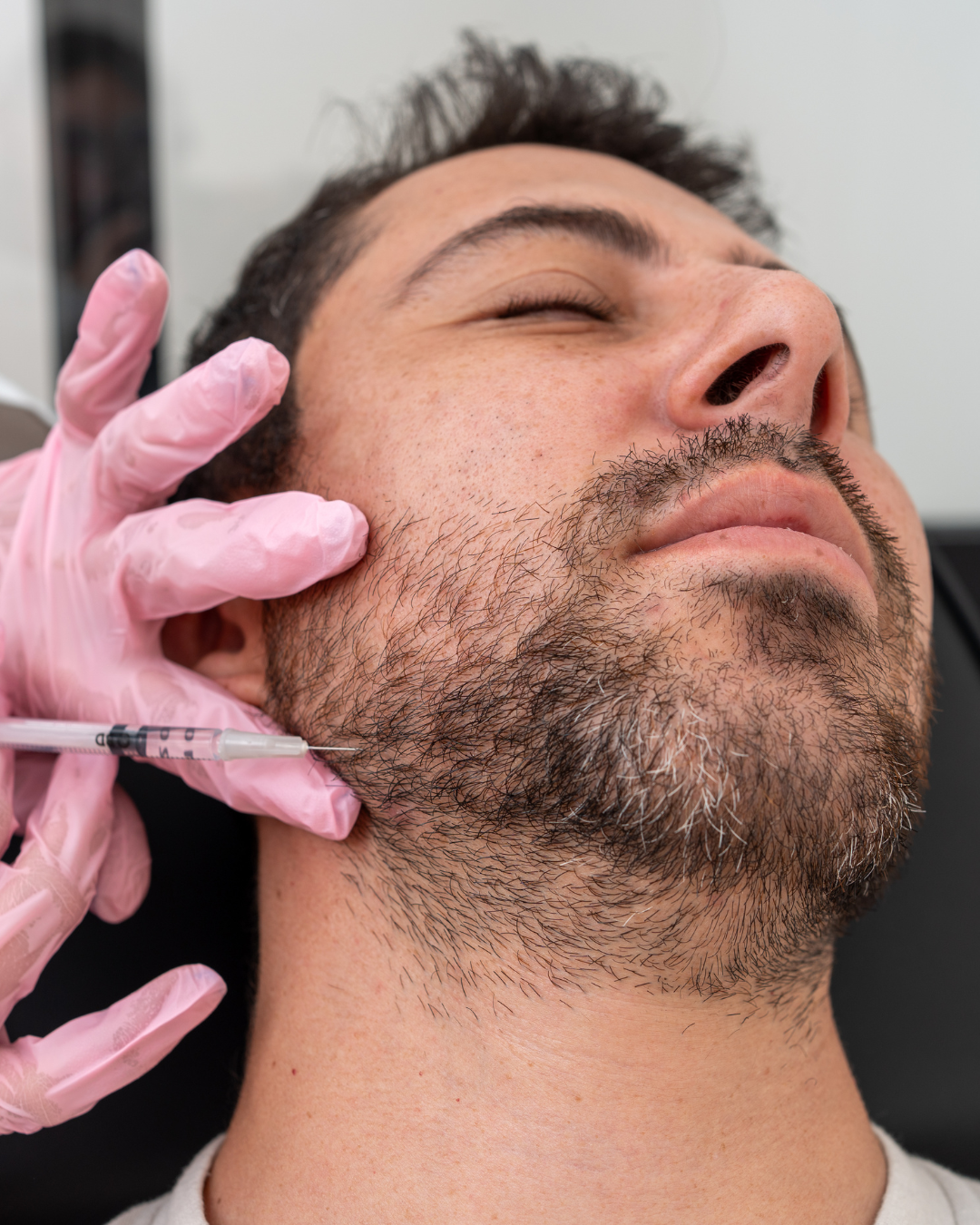
Most people associate Botox with smoothing forehead lines or softening crow's feet. But one of the fastest-growing uses of neuromodulator treatment is for jaw pain, jaw tension, and TMJ disorder. If you wake up with a sore jaw, a dull headache, or the awareness that you have been clenching your teeth overnight, Botox injections into the masseter muscles may offer the relief that mouth guards and anti-inflammatory medications have not been able to provide. At Uplifted Aesthetics in Redondo Beach, we treat TMJ with Botox regularly, and for many patients it is genuinely life-changing. Here is what you need to understand before booking your first appointment. What Is TMJ and Why Does It Happen TMJ stands for temporomandibular joint, the hinge joint that connects your jawbone to your skull on either side of your face. TMJ disorder refers to a range of conditions that cause pain and dysfunction in this joint and the muscles surrounding it. Common symptoms include jaw pain or tenderness, difficulty chewing, a clicking or popping sensation when opening the mouth, earaches, and chronic headaches, especially in the morning. For many patients, the root cause is bruxism, which is the habitual grinding or clenching of teeth, often during sleep. This places enormous and repetitive strain on the masseter muscles, which are the large muscles on either side of the jaw responsible for chewing. Stress, bite misalignment, and sleep disorders can all contribute. For patients in the South Bay who carry high-performance lifestyles and significant daily stress, bruxism is far more common than most realize. How Botox Relieves TMJ Symptoms Botox works by temporarily reducing the activity of the muscle it is injected into. When injected into the masseter muscles , it does not prevent you from chewing or speaking normally. The masseter is a powerful muscle that recruits only a fraction of its capacity for everyday tasks like eating. What Botox does is reduce the intense, involuntary contractions that happen during clenching and grinding. With less forceful contraction, the jaw joint experiences significantly less pressure and strain. For most patients, this leads to a noticeable reduction in jaw pain, morning headaches, and tooth sensitivity within two to four weeks of treatment. The muscle activity gradually returns over the following months, at which point the treatment can be repeated. This is a well-studied and widely accepted application of botulinum toxin, and it is important to have it administered by a medically trained injector who understands both the anatomy of the jaw and the appropriate dosing for functional versus cosmetic purposes. The Cosmetic Benefit: Jawline Slimming One of the secondary effects of masseter Botox that many patients appreciate is a gradual slimming of the lower face. When a hypertrophied, or enlarged, masseter is relaxed over several months, it loses some of its bulk through a process called muscle atrophy. This can create a softer, more oval facial shape, reducing what is sometimes called a square jaw appearance. For patients who have TMJ symptoms and also wish their jawline appeared softer or more defined, this dual benefit makes masseter Botox particularly appealing. It is worth noting that the degree of visible slimming depends on how developed the masseter muscles are to begin with. Patients with significant muscle hypertrophy see more dramatic shaping results than those with more moderate baseline muscle size. It is also worth understanding that the slimming effect is not immediate. It develops gradually over eight to twelve weeks as the muscle adjusts. The pain relief from TMJ often arrives sooner, within two to four weeks. What to Expect at Your Appointment A TMJ Botox appointment at Uplifted Aesthetics is straightforward and quick. After a brief consultation to assess your symptoms, muscle strength, and facial anatomy, the treatment itself takes approximately 15 to 20 minutes. A series of injections is placed into the masseter muscle on each side of the face. Most patients describe the sensation as a mild pinch. There is no recovery time required. You can return to your normal activities immediately, though we ask that you avoid vigorous jaw activity like chewing very hard foods for a few days after treatment. Some mild bruising or swelling at the injection sites is possible but not common. A small number of patients notice a temporary change in how their bite feels during the first week or two as the muscles adjust, which typically resolves on its own. How Many Units Are Needed and How Often Dosing for TMJ treatment varies by patient, but a typical starting range is 25 to 50 units per side, or 50 to 100 units total (when you visit Uplifted Aesthetics, Hula will be able to let you know the units needed after the assessment). Patients with more severe symptoms or significantly enlarged masseter muscles may require dosing toward the higher end of that range for meaningful relief. Most patients see results lasting three to five months. Over time, with consistent treatment, some patients find that their symptoms become less severe overall, which may allow for lower maintenance doses. At Uplifted Aesthetics, we assess your response to each treatment and adjust the approach accordingly. How Masseter Botox Compares to Other TMJ Treatments Patients often come to us having already tried other approaches for TMJ relief. The most common is a dental night guard, which is a custom-fitted appliance worn during sleep to prevent tooth contact during grinding. Night guards are effective at protecting the teeth themselves from the mechanical damage of bruxism, but they do not reduce the muscle contraction. The jaw still clenches against the guard with full force, which means the masseter muscles and the joint itself continue to experience that same repetitive strain. Physical therapy and anti-inflammatory medications can help manage pain in the short term, but like the night guard, they address the symptoms rather than the source of the muscular overactivity. Botox is one of the only interventions that directly reduces the force of the muscle contraction itself, which is why many patients find it effective when other approaches have fallen short. For patients who wear a night guard, continuing to do so after Botox treatment is often recommended. The guard protects the teeth while the Botox reduces the overall force of clenching, making the two approaches genuinely complementary. Is This Covered by Insurance In most cases, Botox administered at a medical aesthetics clinic for TMJ is considered an elective cosmetic procedure and is not covered by standard health insurance. However, the cost of treatment is often competitive with the ongoing expense of dental night guards, physical therapy, and over-the-counter pain relief, especially when factoring in the quality-of-life improvement many patients experience. We offer Cherry payment plans to make treatment accessible for patients who want to spread the cost over time. A Functional Treatment That Belongs in Your Wellness Plan At Uplifted Aesthetics, we believe aesthetic medicine and functional wellness are not separate conversations. TMJ treatment with Botox sits squarely at the intersection of both. It makes your face look better and it makes your daily life more comfortable. For patients in Redondo Beach and the South Bay who are already invested in their overall health and appearance, this is a natural addition to their routine. If you are dealing with jaw tension, morning headaches, or teeth grinding and want to explore whether Botox is the right solution for you, call our office at (310) 504-0830 or book a consultation at uplifted-aesthetics.com .
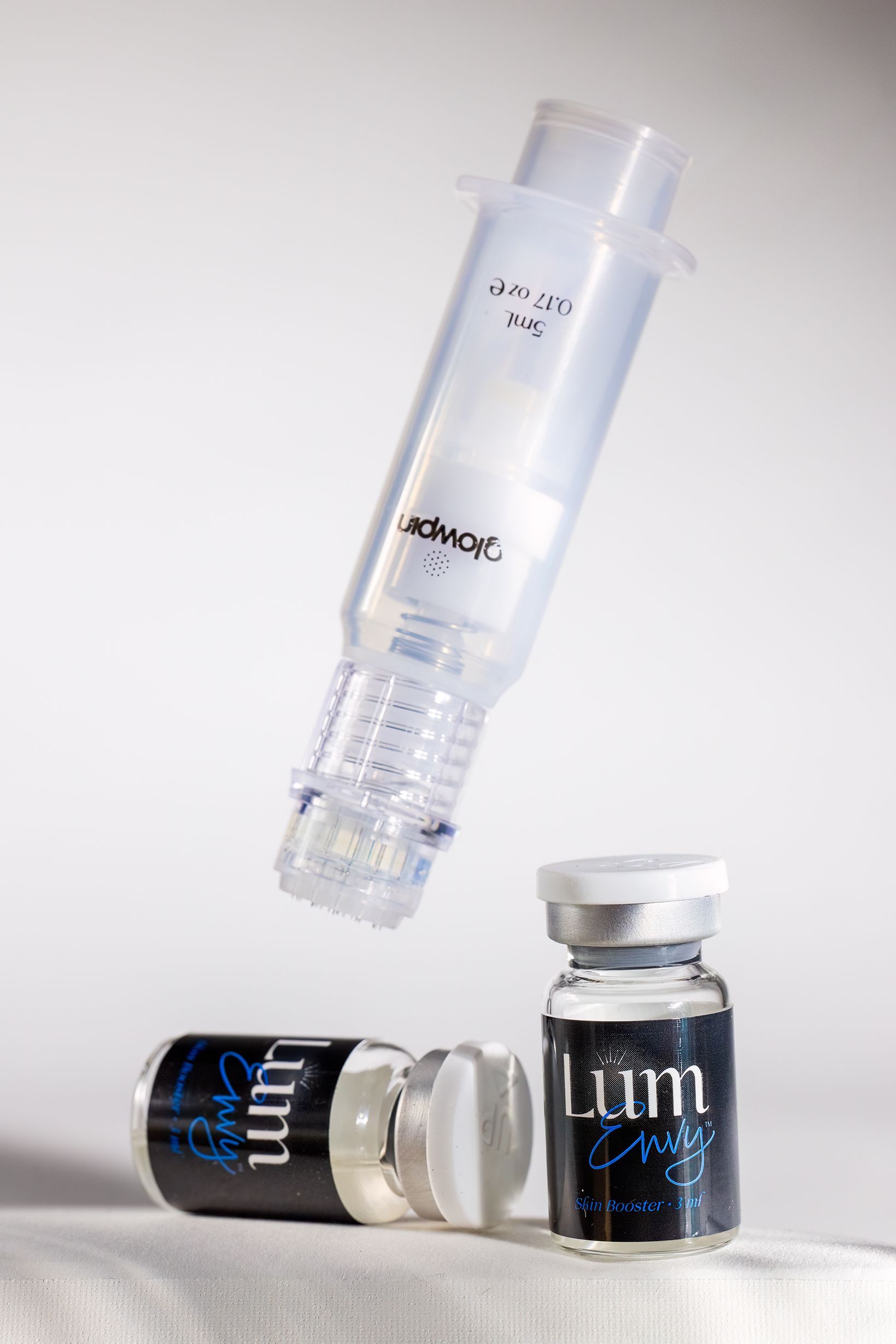
Prep for a South Bay summer with the Glowpin Microstamper at Uplifted Aesthetics in Redondo Beach. Infuse PDO AfterGlo and PDRN for zero-downtime skin radiance.
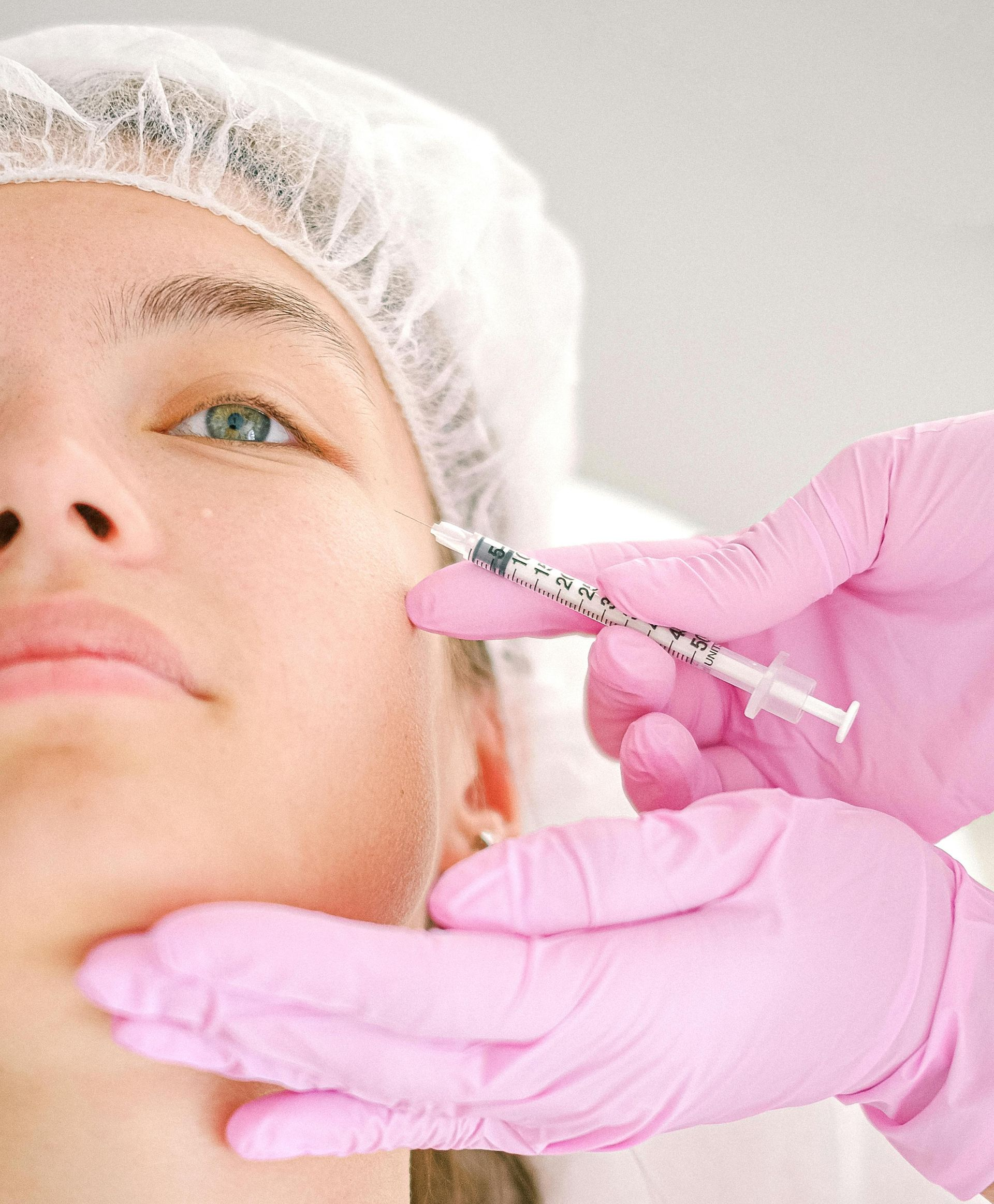
If you have been hearing more about Skinvive lately and wondering whether it is just another filler with a new name, you are not alone. Patients in Redondo Beach and across the South Bay are asking this question more frequently as Skinvive becomes one of the most talked-about treatments at medical aesthetics clinics. The short answer is no, it is not a traditional filler, and understanding the difference matters if you want results that actually match your goals. What Skinvive Actually Is Skinvive by Juvederm is an FDA-approved injectable made with hyaluronic acid (HA), the same moisture-binding molecule found in many traditional fillers. However, the similarity mostly ends there. Traditional HA fillers like Juvederm Voluma or Restylane Lyft are designed to add structure, lift, and volume to specific areas of the face. They are placed deeper in the tissue to physically fill hollows, restore cheekbone projection, or define the jawline. Skinvive is formulated differently. It is a much thinner, more fluid HA solution designed to be injected in micro-droplets just beneath the surface of the skin. The goal is not to add volume. The goal is to increase the skin's own hydration levels, improve smoothness, and create a lit-from-within glow. At Uplifted Aesthetics in Redondo Beach, we think of it as a deep hydration treatment that lives in the skin itself rather than beneath it. How the Treatment Works During a Skinvive session, a small amount of the HA solution is injected in a series of micro-droplets across the cheeks, though other areas of the face can be treated as well. The hyaluronic acid acts like a water reservoir within the skin. Because HA attracts and holds onto moisture, it essentially raises the hydration levels of the skin from within, improving smoothness and creating a dewy, refreshed appearance over the weeks following treatment. The process typically takes about 20 to 30 minutes. There is minimal downtime, though some patients experience mild swelling or small bumps at injection sites that resolve within a few days. Most patients see optimal results about four weeks after treatment, and clinical studies have shown that skin smoothness and patient satisfaction remain high at the six-month mark. Who Is a Good Candidate Skinvive is a strong option for patients who have noticed that their skin looks dull, feels rough, or lacks the natural radiance it had a few years ago. It is particularly effective for people in their late 20s through 50s who do not yet need significant volume replacement but want to improve the overall quality and appearance of their skin. It is also a great complement to other treatments. At Uplifted Aesthetics, we often recommend Skinvive as part of a broader treatment plan alongside biostimulators like Sculptra , wrinkle relaxers , or PDO threads. While those treatments address structure and lifting, Skinvive takes care of the surface quality that patients notice most in natural lighting. Patients who are pregnant, have active skin infections in the treatment area, or have certain autoimmune conditions may not be candidates. A consultation with our team will help determine whether Skinvive fits your skin goals and health history. How Long Does It Last Clinical trials supporting the FDA approval of Skinvive demonstrated sustained results for up to six months in many patients. Individual results vary based on skin condition, age, lifestyle, and the number of sessions completed. Most patients at Uplifted Aesthetics choose to repeat treatment every two to three times per year to maintain the results they love. Unlike volume fillers, which can sometimes require dissolving if overfilled or misplaced, Skinvive results fade gradually and naturally as the hyaluronic acid is broken down by the body. There is nothing structural to undo, which makes it a lower-stakes introduction for patients who are new to injectables. Skinvive vs. Traditional Filler: The Core Difference The clearest way to explain the difference is this: traditional fillers change the shape or volume of your face, while Skinvive changes the quality of your skin. You will not look lifted or more contoured after Skinvive. You will look hydrated, smooth, and healthier. Your skin will appear as though you have been drinking water consistently, sleeping well, and treating your skin with intention. For patients in Redondo Beach who are already happy with their facial structure but feel like their skin has lost its glow, Skinvive is often exactly what they have been looking for without knowing it existed. How Skinvive Fits Into a Broader Treatment Plan One of the things that makes Skinvive genuinely useful from a clinical standpoint is how well it layers with other treatments. Patients who receive PDO threads for lifting, or Sculptra for collagen rebuilding, often find that Skinvive fills a gap those treatments do not address, which is the surface quality of the skin itself. Think of it this way. Threads and biostimulators work on the architecture beneath the skin. Wrinkle relaxers address dynamic muscle movement. Skinvive works on the actual skin tissue, improving its hydration, smoothness, and light-reflecting quality. When all three levels of the face are addressed, the overall result looks more complete and more natural than any single treatment could achieve on its own. For patients building a long-term aesthetic maintenance plan, Skinvive fits naturally into a twice-yearly schedule alongside their other treatments. It adds relatively little time and cost to an existing plan while meaningfully improving what people notice first when they look at your face, which is your skin's overall health and glow. Why This Treatment Fits the South Bay Lifestyle Living in a coastal environment like Redondo Beach has real benefits for your wellness, but sun exposure, saltwater, and outdoor activity can take a cumulative toll on skin hydration and texture over time. Skinvive addresses exactly that kind of low-grade, chronic skin dehydration that builds up gradually. It is the kind of treatment that does not make people ask what you had done. It just makes people tell you that you look great. If you are ready to learn whether Skinvive is right for your skin, contact Uplifted Aesthetics in Redondo Beach to schedule a consultation with Hula Castellon, NP. We will take a thorough look at your skin goals, your current skin health, and build a plan that makes sense for you. Call us at (310) 504-0830 or book online at uplifted-aesthetics.com.
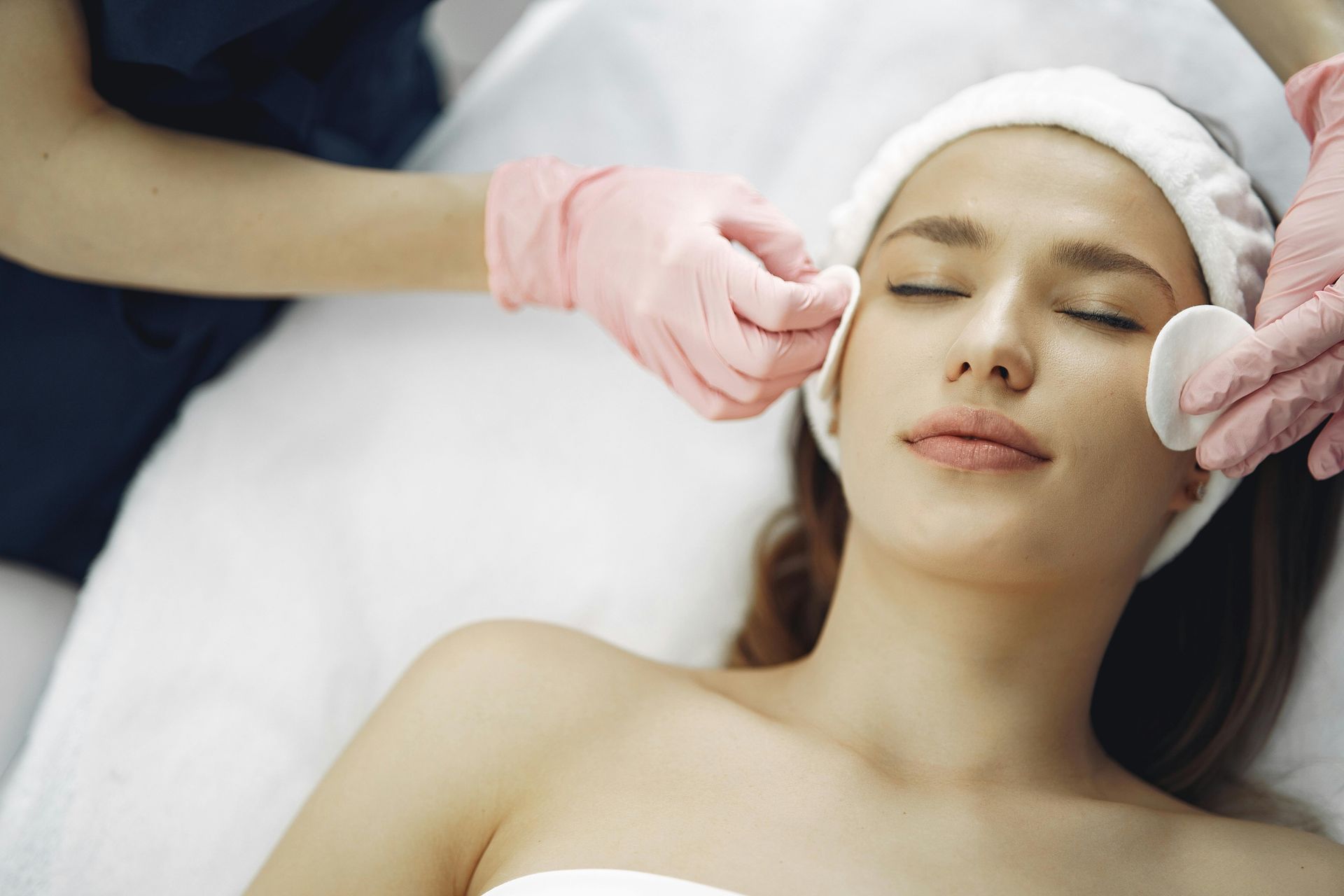
Revitalize winter-damaged skin with medical-grade facials at Uplifted Aesthetics in Redondo Beach. Experience our electrosonic DF technology for a spring glow.

Experience non-surgical intimate rejuvenation with PRP treatments. Restore function & sensation today!
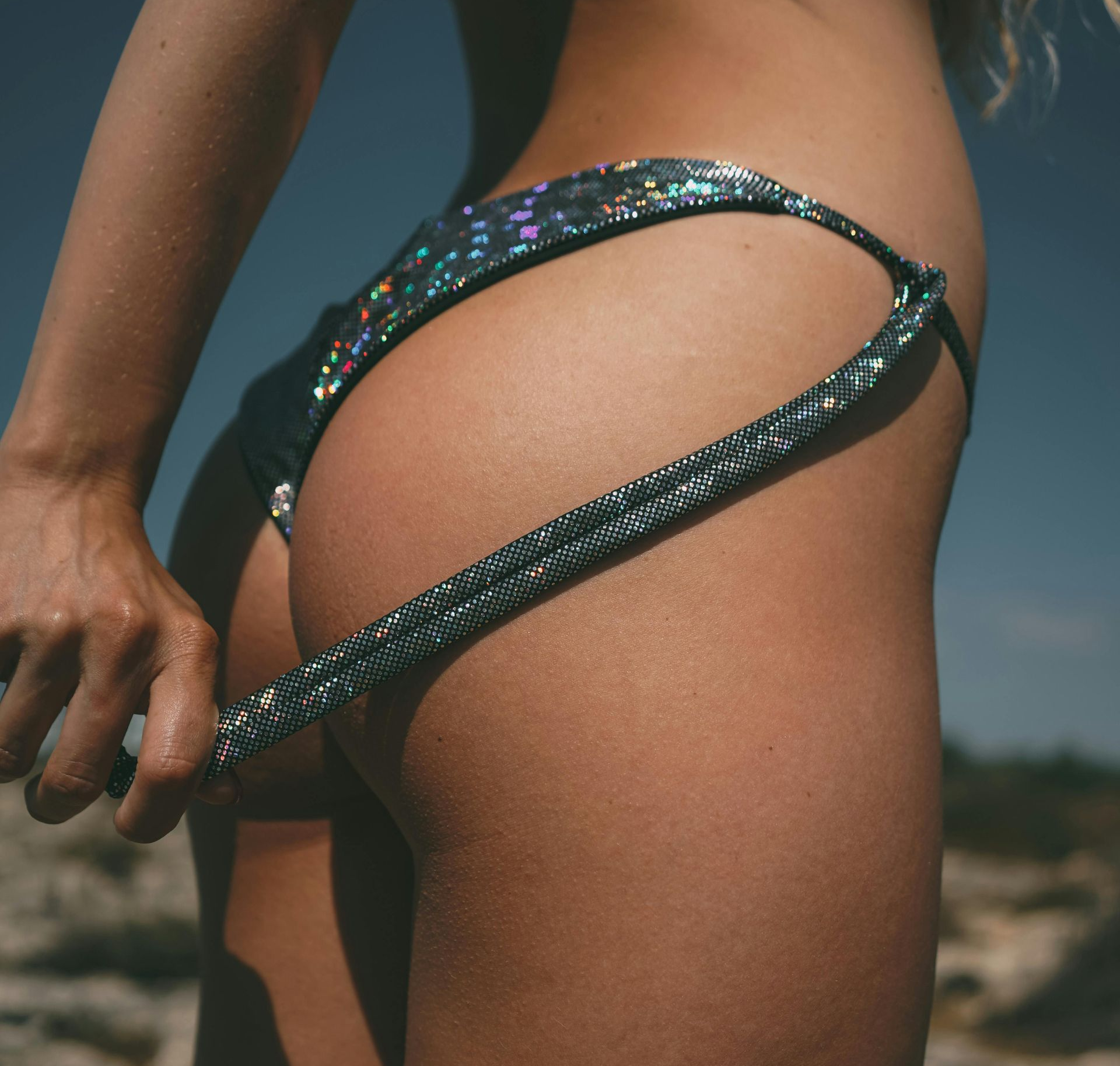
Uplifted Aesthetics in Redondo Beach offers a non-invasive alternative to the traditional BBL , designed for South Bay patients seeking gluteal volume and contouring without surgery. Using a combination of biostimulators (Sculptra and Radiesse), PDO threads, and dermal fillers, this treatment stimulates natural collagen production to lift and firm the skin. Unlike surgery, this 60-minute procedure requires zero downtime, addresses concerns like hip dips and sagging, and delivers results that last between two to five years. Redondo Beach Summer Body: The Non-Surgical BBL at Uplifted Aesthetics The Brazilian Butt Lift (BBL) is one of the most popular, sought-after procedures. For many South Bay residents, they prefer body contouring solutions that bypass the invasiveness of traditional surgery. At Uplifted Aesthetics, we address this demand by providing a sophisticated, non-surgical approach to the BBL. This treatment is specifically designed for patients looking to correct gluteal atrophy, skin laxity, and hip dips that remain resistant to targeted training. We move beyond standard dermal fillers by utilizing a multi-step protocol. By integrating biostimulatory injectables, such as Sculptra or Radiesse, with advanced PDO thread techniques, we induce localized collagen synthesis to enhance volume and refine the silhouette gradually. Unlike traditional surgery, this non-invasive alternative eliminates the systemic risks associated with general anesthesia and fat embolism. This technique allows for precise, incremental adjustments, offering a high-level solution for patients who desire a sculpted, natural-looking result without the need for surgical grafting or significant downtime. How the Treatment Works The success of this procedure comes from combining three distinct methods that help the body rebuild itself. It is a biological process rather than just a cosmetic mask. Collagen Stimulation: We use biostimulatory injectables such as Sculptra or Radiesse. These do not just sit under the skin like traditional fillers. They act as a foundation that encourages your body to produce its own collagen. Over several months, this new collagen builds natural volume and makes the skin appear thicker and smoother. Structural Lifting: To address sagging or a lack of lift, we use PDO threads. These are medical-grade threads placed under the skin to provide an immediate structural boost. As the threads dissolve naturally over time, they leave behind a framework of new collagen that helps maintain the lift. Targeted Contouring: If you have specific areas that need smoothing, such as hip dips or small asymmetries, we can use dermal fillers for immediate correction. This allows us to sculpt the area with precision, ensuring the result looks balanced from every angle. The Experience and Results One of the biggest advantages for our patients is the lack of downtime. A typical session takes about 30 to 60 minutes. You might feel a bit of soreness but you can return to your routine immediately. Because the treatment relies on your body’s natural collagen production, the results are gradual. Most patients see the best outcome after two or three sessions. The final look usually peaks around three to six months and can last between two to five years. This makes it a very sustainable option for those who want long-term results without the intensity of a surgical BBL. Expert Consultation This treatment is designed for individuals seeking to correct mild sagging, restore volume lost to aging or weight fluctuations, and improve overall skin texture. It is an ideal solution for those desiring a toned, sculpted appearance that harmonizes with their natural anatomy. Uplifted Aesthetics begins every transformation with a comprehensive consultation. During this session, we’ll perform a detailed assessment of your skin elasticity and physical anatomy. This process allows us to discuss your unique aesthetic goals and develop a tailored treatment plan that ensures safety and medical integrity. If you are looking to prepare for the summer season here in the South Bay, a formal assessment is the first step toward achieving a refined silhouette. At Uplifted Aesthetics, we focus on results that look authentic and feel confident. Ready to see if a non-surgical butt lift fits your goals? You can book an appointment through our website or call our Redondo Beach office at (310) 504-0830.